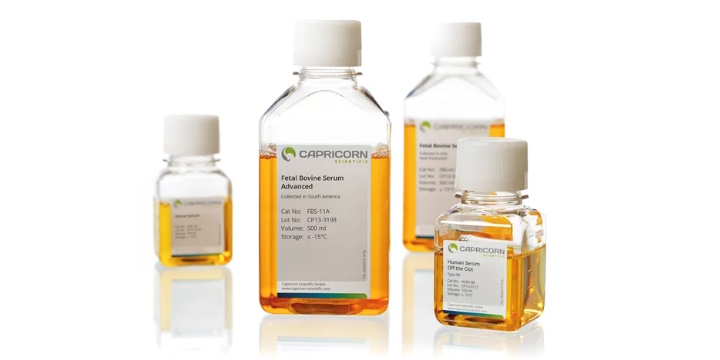
Fetal bovine serum (FBS) is one of the most established supplements in cell culture. Its performance is widely trusted, but not fully defined. FBS contains a complex mixture of proteins, hormones, lipids, growth factors, transport proteins, trace elements, and other bioactive components that support cell proliferation and maintenance (van der Valk et al., 2018).
The key challenge is not only that FBS varies. It is that its functional behavior depends on multiple factors that cannot be fully captured by composition alone.
Origin, processing, and everyday laboratory handling all contribute to variability in experimental outcomes.
Origin & Variability
FBS is a complex biological material containing proteins, lipids, hormones, growth factors, carrier molecules, and other bioactive components.
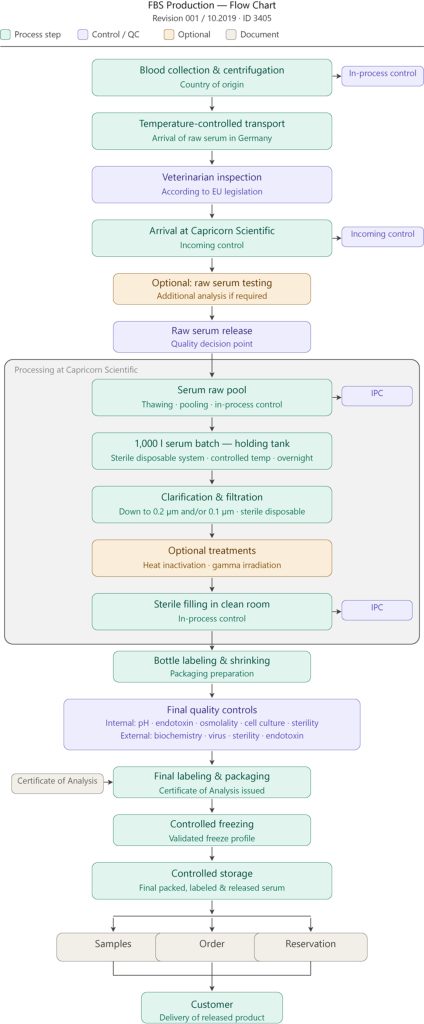
Because it is derived from biological sources, batch-to-batch variability is unavoidable. This variability has been repeatedly described as one of the major scientific limitations of FBS use in cell culture, particularly regarding reproducibility and standardization (Gstraunthaler, 2003; van der Valk et al., 2018).
Quality & Batch Selection
FBS is tested for defined quality parameters such as sterility, endotoxin levels, and cell growth support.
These tests are essential, but they do not fully predict how a serum batch will perform in every application. Proteomic approaches have been used to assess differences between FBS lots, supporting the idea that serum lots can differ measurably at the composition level, but application-specific performance still needs to be evaluated in the relevant biological system (Zheng et al., 2006).
This makes FBS variability not only a quality topic, but an experimental variable.
Handling Matters
Even after batch selection, FBS requires correct handling to maintain performance:
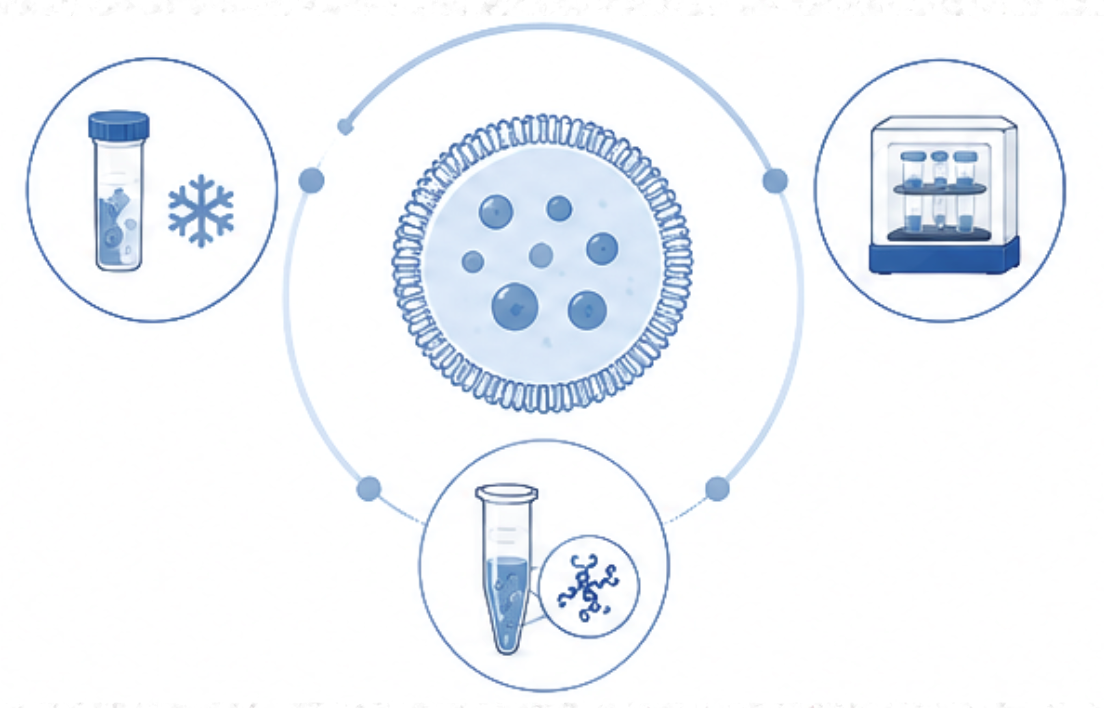
Thawing, mixing, aliquoting, storage temperature, and repeated freeze–thaw cycles can influence serum functionality. From our manufacturer’s and scientific perspective, consistent handling is therefore essential to preserve the defined quality state achieved during production and release testing.
Controlled thawing, gentle mixing, frozen storage, and aliquoting where appropriate help reduce avoidable variation during routine use. These effects are often subtle. Cells may remain viable, while proliferation rates, signaling responses, or differentiation outcomes shift. This means that two experiments using the same serum batch may still differ if the serum was handled differently.
Key Takeaway
- FBS performance is influenced by origin and processing
- Batch variability is unavoidable but manageable
- Quality parameters are important, but application-specific testing remains essential
- Handling must be standardized to maintain reproducibility
FBS performance is not defined by a single parameter. It results from the interaction of origin, processing, batch selection, and handling. Controlling these factors helps researchers improve consistency, reduce avoidable variability, and make serum use more reproducible.